

 See My Latest Article on HelloNation
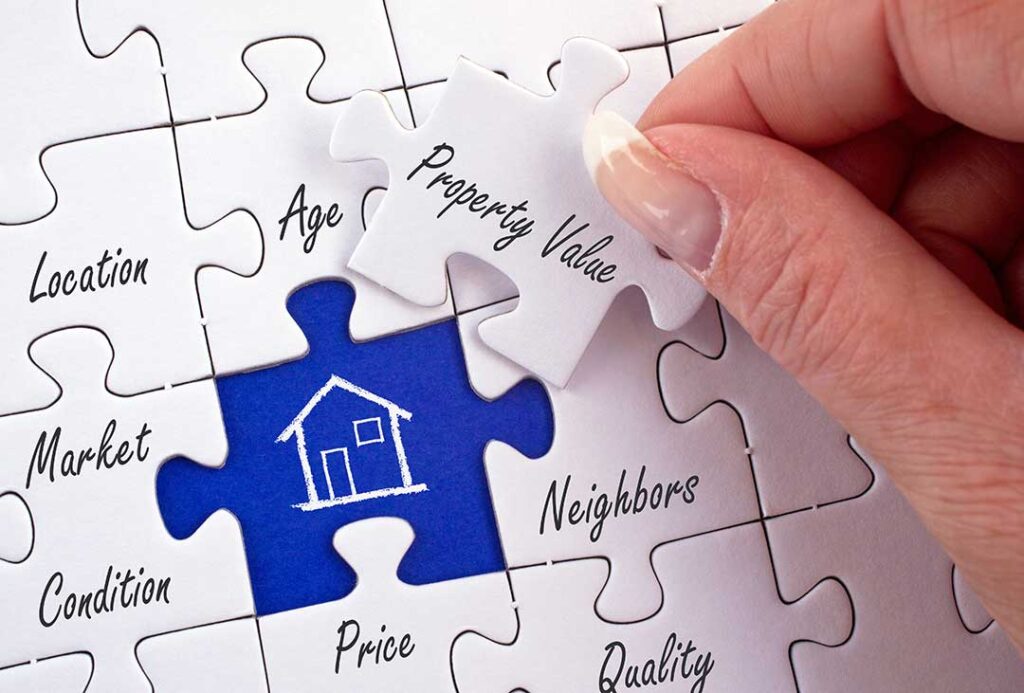
Which neighborhood features tend to support higher property values?
Neighborhood features can influence property value by shaping how convenient, comfortable, safe, and durable an area feels over time. In Racine, the strongest advantages are often not flashy amenities. They are practical qualities such as well-maintained streets, access to parks, walkable connections, stable housing patterns, and reliable public infrastructure.
A desirable neighborhood does not need every possible feature. More often, value is supported by a balanced setting where daily needs are reasonably accessible and residents can expect the area to remain functional and well cared for.
Do parks, trails, and open space add value?
Yes. Nearby parks, walking paths, bike routes, natural areas, and public waterfront access can make a neighborhood more attractive to a wide range of households. These features provide places for recreation, exercise, informal gatherings, and outdoor activities without requiring a long drive.
In Racine, access to lakefront settings, river corridors, neighborhood parks, and connected trails can be especially meaningful because outdoor use changes with the seasons. Residents may value open space for summer walking and biking, fall recreation, winter scenery, and spring activities.
The effect is usually strongest when public spaces are:
- Easy to reach on foot or by bicycle
- Clean, maintained, and visibly used
- Connected to sidewalks or low-traffic streets
- Appropriate for different age groups
- Designed with lighting, seating, shade, or gathering areas
A park directly next to a home is not automatically a benefit. Noise, heavy traffic, poor lighting, or frequent congestion can reduce the appeal for some buyers. Proximity matters, but quality and surrounding conditions matter too.
How does walkability affect housing demand?
Walkability can support property value because it gives residents more choices for completing everyday trips. Sidewalks, safe crossings, connected streets, and nearby schools, parks, services, or gathering places can reduce dependence on a vehicle for short distances.
Walkability does not mean every resident must walk everywhere. It means the neighborhood offers a practical option for walking when conditions are favorable.
Useful indicators include:
- Continuous sidewalks in good condition
- Crosswalks at logical locations
- Streets that connect rather than forcing long detours
- Traffic speeds that feel manageable
- Safe routes to parks, schools, and community facilities
- Adequate lighting and visibility
Winter conditions deserve special attention. Snow, ice, freezing temperatures, and early darkness can make sidewalks less usable for part of the year. A neighborhood with effective snow removal, clear intersections, and well-maintained pavement may be more functional than one that appears walkable only during warm weather.
Can street condition and public infrastructure affect value?
They can. Buyers commonly notice the condition of roads, curbs, sidewalks, street lighting, drainage systems, water service, and other public infrastructure. These features influence both daily comfort and the likelihood of future disruptions or special costs.
A neighborhood with consistent infrastructure investment may appear more stable because residents can see that basic systems are being maintained. Road improvements, sidewalk replacements, sewer work, water-main upgrades, and traffic-safety projects can also improve access and reduce long-term uncertainty.
However, construction itself may temporarily create noise, detours, dust, and limited parking. A planned infrastructure project is not automatically negative or positive. Its effect depends on the project’s purpose, duration, final design, and potential impact on taxes or assessments.
Property owners should distinguish between:
- Routine maintenance
- Major reconstruction
- Utility replacement
- Drainage or flood-control work
- Streetscape improvements
- Projects that may change traffic patterns
The condition of a neighborhood’s infrastructure is often more important than the appearance of a single newly paved street.
Does proximity to the lake or river increase property value?
Water-related settings can be valuable because they provide views, recreation, scenery, and a sense of place. Lakefront and river-adjacent areas may attract buyers who prioritize outdoor access, walking routes, and distinctive surroundings.
Those benefits come with considerations. Water-adjacent properties may face greater exposure to wind, moisture, erosion, flooding concerns, shoreline restrictions, or higher maintenance demands. Views can also change if nearby properties are developed or mature trees are removed.
The most useful question is not simply whether a property is near water. It is whether the setting offers a lasting benefit without creating disproportionate insurance, maintenance, access, or environmental concerns.
How do neighborhood housing patterns influence value?
Housing stability can support value when properties are generally occupied, maintained, and compatible with the surrounding homes. A mix of well-kept single-family houses, duplexes, small multifamily buildings, and other housing types can contribute to a healthy neighborhood when the scale and condition are consistent.
Architectural variety is not necessarily a weakness. Older homes may provide character, larger lots, mature trees, or distinctive craftsmanship. Newer homes may offer updated systems, energy efficiency, and modern layouts. The key factors are condition, upkeep, land use compatibility, and whether the housing stock meets current household needs.
Buyers may also consider:
- Owner-occupied versus vacant properties
- Deferred exterior maintenance
- Lot size and spacing
- Parking availability
- Noise levels
- Frequency of property turnover
- Compatibility between nearby uses
A neighborhood with different housing types can remain appealing if residents feel the area is orderly, predictable, and cared for.
Do trees and landscaping affect property value?
Mature trees, planted boulevards, maintained lawns, and attractive public spaces can improve the appearance and comfort of a neighborhood. Trees may provide shade, reduce the visual impact of pavement, help manage stormwater, and create a more established streetscape.
In a climate with hot summers, cold winters, snow, and freeze-thaw cycles, landscaping should be judged by durability as well as appearance. Healthy trees and properly maintained drainage can be valuable, while overgrown vegetation, damaged sidewalks from roots, or poor grading can create costs.
Landscaping is most helpful when it supports:
- Clear sightlines near driveways and intersections
- Manageable maintenance
- Healthy street trees
- Proper drainage
- Shade without excessive moisture against buildings
- A consistent, cared-for appearance
Large trees can add character, but they also require inspection and maintenance. Their value depends on health, placement, species, and the condition of nearby sidewalks or utility lines.
Can traffic, noise, and parking reduce the benefit of nearby amenities?
Yes. A neighborhood may have parks, trails, and convenient transportation but still be less appealing if traffic noise, speeding, limited parking, or heavy truck activity affects daily life.
The impact varies by location and household. Some residents value proximity to busy corridors because it shortens commutes. Others may prefer quieter streets, particularly households with young children, remote workers, or residents who spend more time at home.
When evaluating a neighborhood, it helps to visit at different times:
- Weekday morning
- Afternoon school or commuting hours
- Evening
- Weekend
- During winter weather or after heavy rain, when possible
A single daytime visit may not reveal congestion, parking pressure, late-night noise, drainage problems, or snow-storage issues.
Which neighborhood features matter most in Racine?
The most durable value-supporting features are usually those that improve everyday function rather than create temporary excitement. In Racine, residents may reasonably pay attention to:
- Sidewalk and street conditions
- Access to parks, trails, and open space
- Lakefront or river connections
- Drainage and flood-related conditions
- Snow removal and winter accessibility
- Housing upkeep and occupancy patterns
- Street lighting and traffic safety
- Proximity to schools, services, and employment areas
- The condition of public infrastructure
- Noise, parking, and traffic patterns
No neighborhood feature guarantees appreciation. Property value also depends on the home itself, local supply and demand, taxes, insurance, zoning, maintenance costs, and broader economic conditions.
The most reliable assessment looks beyond a feature’s label. A “walkable” area should be tested for sidewalk quality and winter usability. A “park-adjacent” home should be evaluated for noise and access. A “water-nearby” property should be reviewed for exposure and maintenance concerns. Practical performance is what turns a neighborhood feature into a lasting benefit.